As we usher in a new month ahead of the Easter Break, which brings with it a rare sighting of Earth’s original nuclear fusion power source, investors are beginning to consider whether we are now closer to the end of the war on Iran than the start.
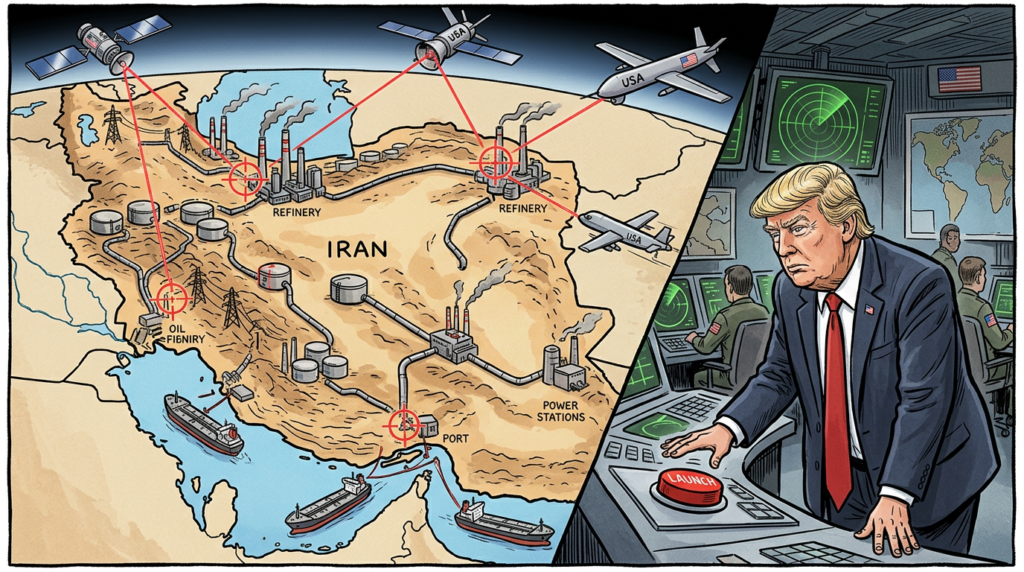
Reports have emerged that the US may be preparing for specialised ground raids to seize Iran’s stockpiles of highly enriched uranium, a goal which if achieved would give credibility to the intervention and promote greater cooperation from US allies, potentially forcing Iran into negotiations.
Yet, the question over whether we’ll see boots on the ground is very much an open one. President Trump has claimed that Iran is desperate for a deal and had already agreed to forgo uranium enrichment, but Tehran has publicly denied any such negotiations – We have come to expect that words precede reality when it comes to the sitting US president.
In a prime-time national address, Trump declared that the US had already won the war by sinking the Iranian Navy and destroying its missile manufacturing capabilities, announcing it may take only 2-3 weeks to wind up operations. This timeline had been leaked earlier in the day during comments made at an Easter brunch, sending markets sharply higher, but the peace rally turned sour on Thursday with the after-hours formal address proving to be much more aggressive.
In it, he threatened to hit Iran extremely hard, sending them “back to the Stone Ages” if the Strait of Hormuz is not reopened by his 6th April deadline. While this sounds somewhat sensationalist, the intent is to pivot from military targets to strike Iran’s energy and oil infrastructure, effectively bankrupting the state and forcing the next phase of change.
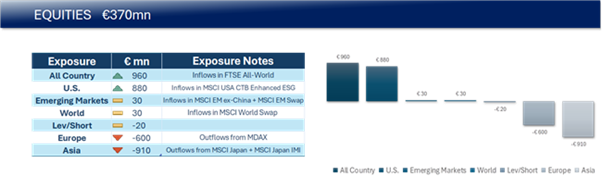
Through this intraweek see-sawing, which I will coin a “Tina-Turner” because it “hangs on every word he says”, we had some strong insight as to the direction of markets should we see some resolution in the Strait of Hormuz: the high-growth technology and small-cap sectors were back in favour, as were non-US assets.
This chart from Amundi clearly highlights how the US has become a favoured investment destination while the global economy remains in an energy crisis:
What’s maybe most surprising to us through this scenario so far is that currencies haven’t reversed by as much as we would have hoped, indicating that the trends of the past 15 months may indeed return to favour. The Japanese Yen has weakened back to levels which have recently been synonymous with threats of currency intervention and could become a short-term asymmetric trading opportunity.
And for those that are concerned by the exorbitant amount of AI infrastructure investment being made by technology companies, Oracle’s cutting of close to 18% of its workforce may indicate a growing trend, one in which capital is being reallocated from humans to power and silicon. This was not in response to any immediate financial distress and could be a strategy adopted by the wider software industry, which is increasingly coming under pressure from AI disruption.
Where are markets up to?
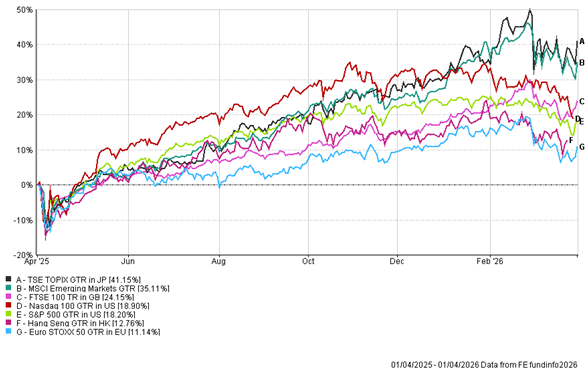
The rolling 12 month % cumulative returns in local currency from various indices is shown in the following chart:
Where are the portfolios up to?
The portfolio performance, net of fees, to close of business on Wednesday is as follows:

As ever, if you would like to discuss any aspect of your portfolio, please do not hesitate to contact us on service@blythefinancial.com.