Wednesday was a hugely positive day for equity and credit markets following the announcement of a ceasefire between the US and Iran conditional upon the Straits of Hormuz remaining open. The actual situation in the Strait is a little more nuanced with analysts on the ground suggesting some ships have still been travelling through daily with their transponders turned off, satellite imagery showing the first commercial tankers testing the “ceasefire lane”, but CEO of the United Arab Emirates’ state-run oil company, ADNOC, stating that the strait is still operating under Iranian restrictions.
Insurance premiums for shipping in the region remain at record levels and global logistics firms are now adding sizable fuel and insurance surcharges. US Producer Price Inflation data reflected a sharp rise in March, confirming that higher energy costs have fully permeated the supply chain.
The asset rally has faded a little into the weekend as all sides have expressed concerns that highlight the fragility of the agreement. Israel continues its incursion against Hezbollah in Lebanon, one which Iran is hoping to drag into the deal, but the US has denied these are part of the existing terms.
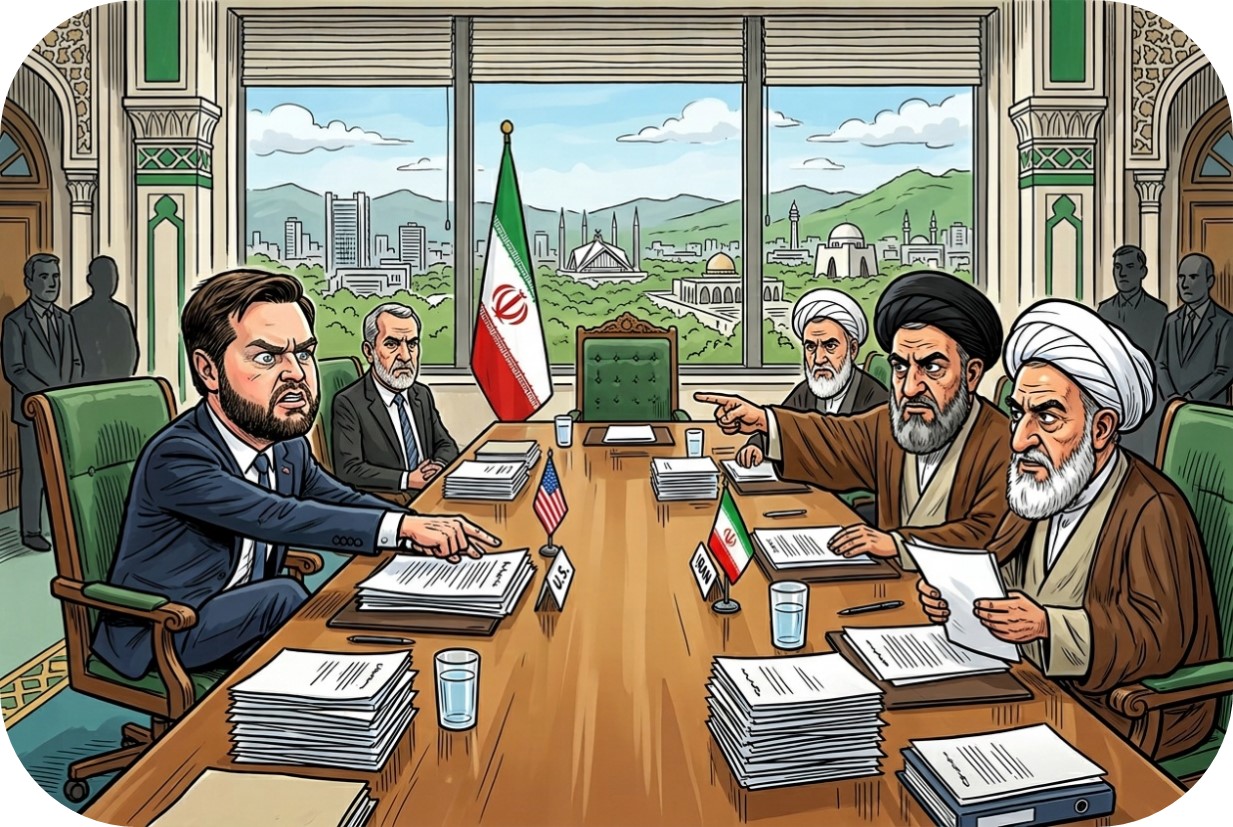
Senior negotiators, including US Vice President JD Vance, are scheduled to meet Iranian officials in Pakistan tomorrow.
The OECD Global Debt Report 2026 warns that sovereign bonds in advanced economies may face a “buyer’s strike” if inflation doesn’t cool, with near 40% of all global sovereign debt is scheduled to mature by 2027. With consistent geopolitical threats and critical resources concerns it is becoming entrenched that inflation will be a persistent issue for the global economy.
China and India have reportedly increased gold reserves as a US dollar hedge in recent weeks, but stable coins have also increasingly been utilised through this crisis which has increased demand for US treasuries and potentially put greater downward pressure on US borrowing costs. Stablecoins have become a policy tool that serves to help curtail the anti-dollar narrative, but any recent reversal in this sentiment has been relatively muted when compared to the responsiveness of other capital assets to this energy shock.
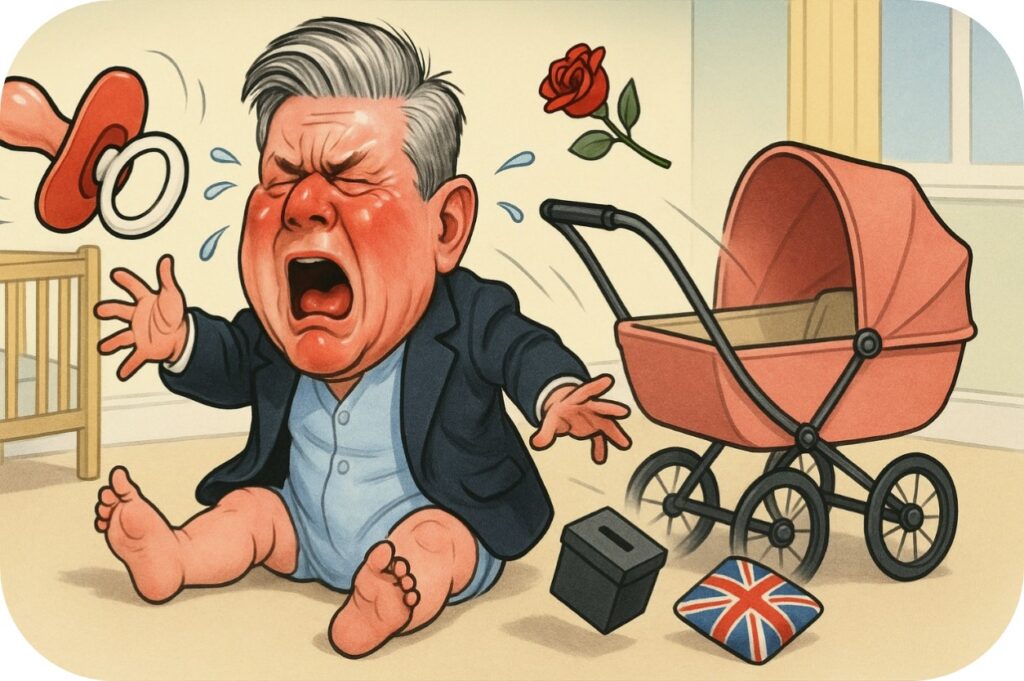
Kier Starmer stated he was fed up with families in the UK seeing their bills go up and down because of the actions of Putin or Trump. What a disappointingly weak and pitiful response from the leader of “Great” Britain whose party is desperately attempting but failing to rebrand him as a global statesman ahead of the local elections in May.
Nigel Farage thinks that Labour government fiscal policies will eventually lead to a fiscal meltdown. If rifts continue to split the party and the government is forced into an austerity budget that its own backbenchers refuse to support, the administration will be deadlocked, forcing a snap general election as early as next year.
Breaking a decade of silence, China premier Xi Jinping and Taiwan’s opposition leader, Cheng Li-wun, met and emphasized a shared Chinese identity and a commitment to regional peace, but Xi remained firm that China will absolutely not tolerate formal independence, which he labelled the primary threat to stability.
To conclude, here is a neat perspective on the Iran situation – I verbatim quote Trita Parsi, the co-founder and Executive Vice President of the Quincy Institute for Responsible Statecraft:
“That said, this is not only not ‘total victory’ for the US but a comprehensive strategic failure. Yes, we did significant damage to Iran’s military capability and killed a number of leaders.
But we also replaced one Khamenei with another; empowered the IRGC; did nothing for the protesters, killed over a thousand civilians, including hundreds of children (and lost at least 13 US service members, alongside over 500 wounded); left Iran with enough highly enriched uranium to make 10-12 nuclear weapons; gave it greater incentive to try to build them; irreparably tarnished America’s reputation; did lasting damage to the US and world economies; depleted our arsenal of scarce missile-defence interceptors; diverted valuable military assets from other regions; empowered Russia with an oil price windfall; triggered further conflict in Lebanon; further eroded domestic and international law; and may have left Iran in control of the most valuable waterway in the world, in a position to earn tens of billions of dollars in revenue per year through tolls, while holding the world economy hostage.”
Where are markets up to?
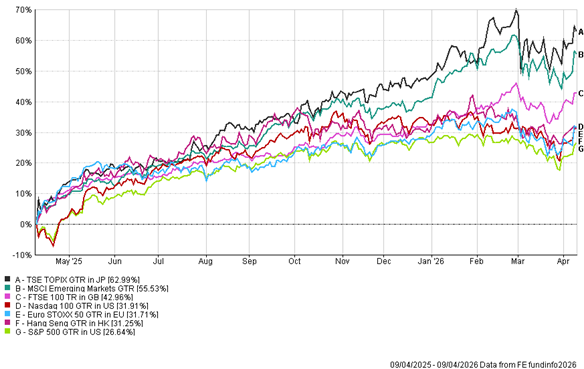
The rolling 12 month % cumulative returns in local currency from various indices is shown in the following chart:
Where are the portfolios up to?
The portfolio performance, net of fees, to close of business on Wednesday is as follows:

As ever, if you would like to discuss any aspect of your portfolio, please do not hesitate to contact us on service@blythefinancial.com.