Let’s address the elephant in the room: If the transit of crude oil remains constrained through the Strait of Hormuz, there will be a hit to economic growth and higher inflation. This is manageable but also presents a significant risk to the global economy if left unresolved.
This is beginning to filter into the economic data with US GDP growth surprising to the downside at 2%, 0.2% lower than expected, while the Federal Reserve’s preferred gauge of inflation was 0.2% higher than expected, neatly mirroring that GDP data.
Our view is that there must be internationally applied pressure on Iran in response to steadily depleting strategic oil reserves. Given that the core of US policy is an ‘America first’ mantra and that any extended period of energy crisis stands to benefit the US relative to its global peers, I find it extraordinary that the response from elsewhere has been markedly absent – albeit cognisant that there may be many unreported discussions behind closed doors.
For China, this may simply signal a reserved confidence that their innovative manufacturing powerhouse will relentlessly power-on, while their global integration strategy continues to solidify their supply chains and logistics networks.
For Europe, it appears to be yet another sign of weakness, ignorance, or incapacity. While Starmer and Reeves moan that President Trump has unnecessarily led them to this difficult situation, Germany’s Friedrich Merz suggests that the US that is being humiliated, each time they fail to reach an agreement with Iranian leadership. They are clearly missing the point and it’s about time they instead focused on meaningful action, a lack of which is the reason the region is overexposed to such risks in the first place.
There were further warnings this week that fiscal policies in advanced economies are under immense pressure due to defence spending and social costs, this time from the World Economic Outlook. and the National Institute of Economic and Social Research warned of rising stagflation risks in the UK, with a potential £35 billion loss in output over the next two years should the energy crisis persist.
The UK and the pound are a little out of favour with upcoming local elections expected to thrust the country into yet another bout of political uncertainty. Forecasters anticipate a shattering of traditional two-party dominance with Reform UK and the Green Party projected to make massive gains putting Keir Starmer’s position as Prime Minister in doubt.
Andy Burnham is the public’s favourite to replace Starmer and represents a slightly less-left leaning politician compared to other candidates and yet, despite this, financial markets may recoil should he take the mantle.
He is an interventionist who favours greater municipal and state control over essential services with an economic policy that focuses on higher investment, has suggested that an uplift in defence spending should be funded by borrowing outside the UK’s fiscal rules, and has stated his displeasure with the UK being “in hock to the bond markets”.
Yet, he has done an incredible job as Greater Manchester Mayor, with the city widely regarded as one of the UK’s greatest modern success stories attracting people away from London. So, markets could be bullish too if they believe he could replicate this success at a national level. His appointment could ultimately be negative for the currency and bond yields, but positive for equities.
The one hurdle is that he is not currently an MP and under current Labour Party rules, leadership candidates must be sitting MPs. So, either that rule must change or allies within the party must orchestrate a by-election in a labour stronghold.
There were three key central bank interest rate decisions this week, and the US, Europe and UK unsurprisingly maintained current levels citing the diverging risks of the energy crisis on inflation and economic growth. There was notable dissent at the Federal Reserve, however, which could prove to be a difficult situation for incoming Chair, Kevin Warsh, who intends to keep interest rates low. The dollar was bolstered by this news.
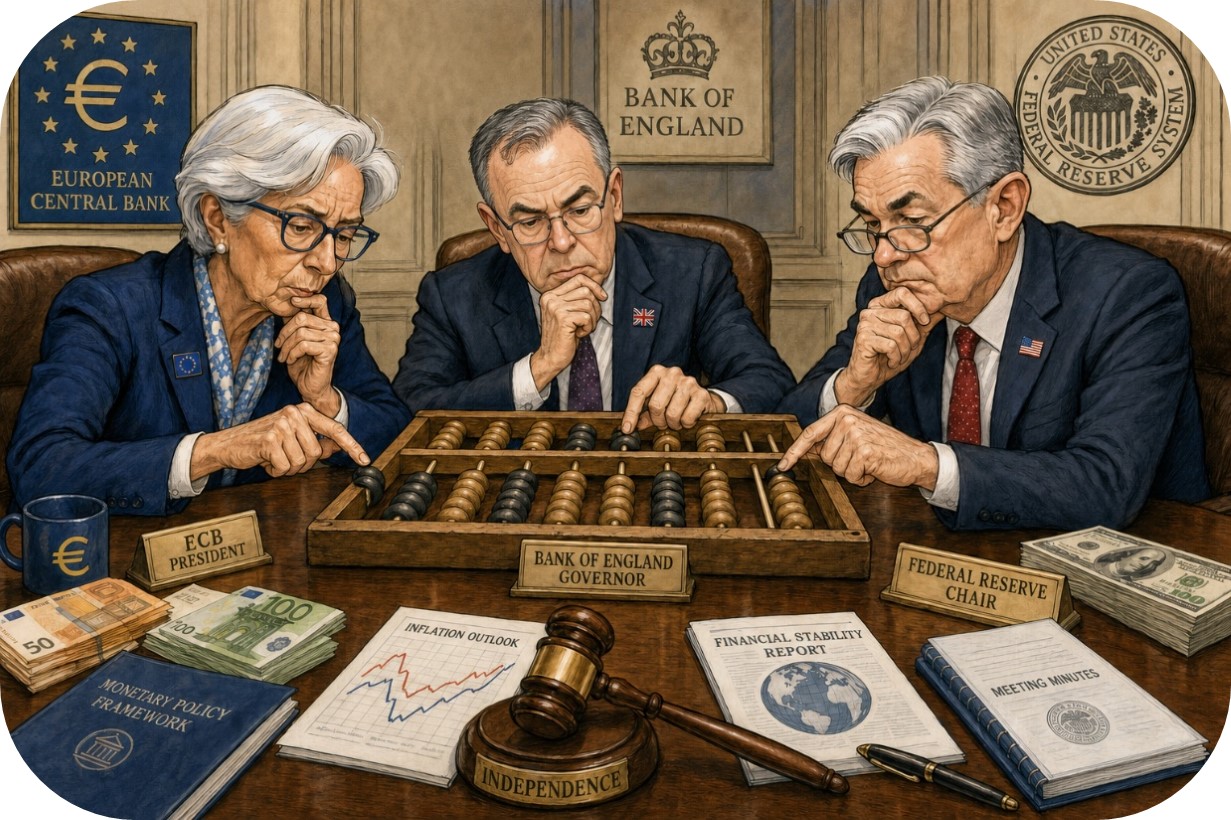
While an important dynamic for bond and currency markets, monetary policy is not a solution to supply chain shortages, so while politicians and technocrats fiddle at the margins of the financial system, focus is better paid to industry and investment dynamics which are rapidly solving all the problems that policymakers are failing to address.
It is to this which markets appear to be reverting their attention with much of the pre-war trading momentum resuming: The AI theme is in full swing with the Nasdaq performing strongly again, and emerging markets are buoyant.
The dynamic has been helped this week by corporate earnings results from US mega-cap tech behemoths which all beat expectations as cloud segments maintained exceptional growth trajectories. AI is no longer a forward-looking narrative for Google, Microsoft and Amazon, it is already embedded across advertising, cloud infrastructure, and enterprise software and the scale of monetisation is increasingly visible.
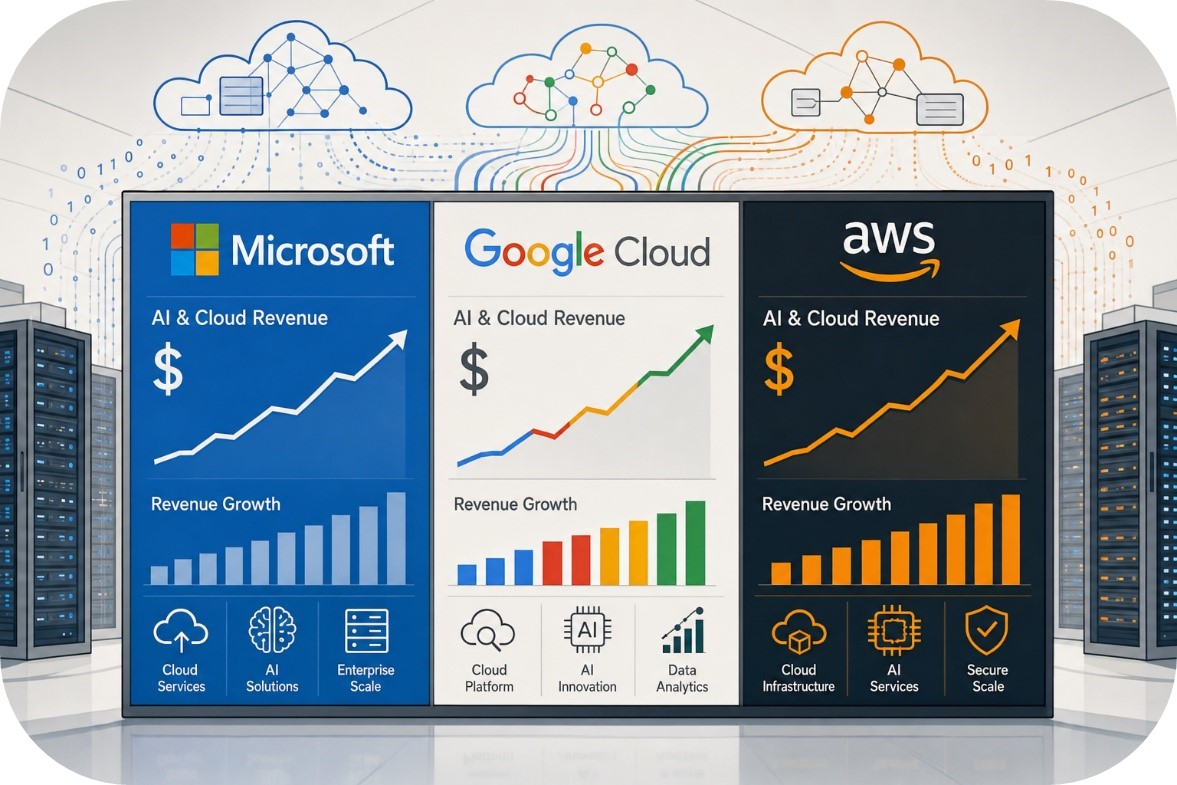
There are still questions over the sheer volumes of capex, which stunted the stock price progress of Amazon and Meta, but the persistence of this trend has boosted many of the AI Hardware firms which are set to benefit regardless – for now. Whether equity markets will retain their rigour as we proceed beyond peak earnings season will rely heavily on the persistence of the energy crisis and how its aftereffects filter through to the economic data. As it stands, markets are treating the situation as if it will come to conclusion in short order.
And finally, the Japanese Yen briefly weakened beyond the $1/160 level before being met by intervention from the Japanese Ministry of Finance. Despite having been a clear level of resistance as the currency experiences continued downward pressure while the Bank of Japan takes far too long to normalise interest rate policy, the 1/160 level was likely to be retested because the Japanese economy is one of the most exposed to the lack of oil flowing through Hormuz.
This comes during the Golden Week, a succession of four public holidays, during which currency markets express lower liquidity and thus it’s a more cost-effective time to defend the currency. The estimated value of the intervention was $35 billion.
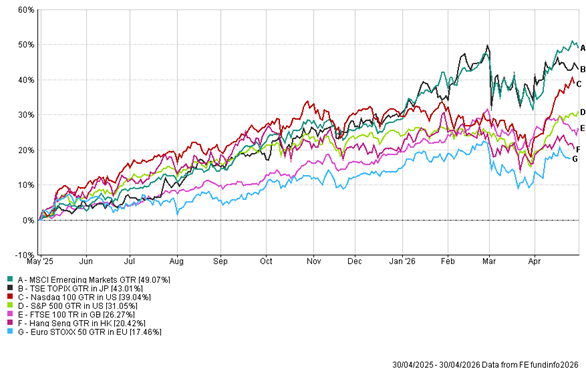
Where are markets up to?
The rolling 12 month % cumulative returns in local currency from various indices is shown in the following chart:
Where are the portfolios up to?
The portfolio performance, net of fees, to close of business on Wednesday is as follows:

As ever, if you would like to discuss any aspect of your portfolio, please do not hesitate to contact us on service@blythefinancial.com.